
What is Binance? The Complete Guide to the World's Leading Cryptocurrency Exchange
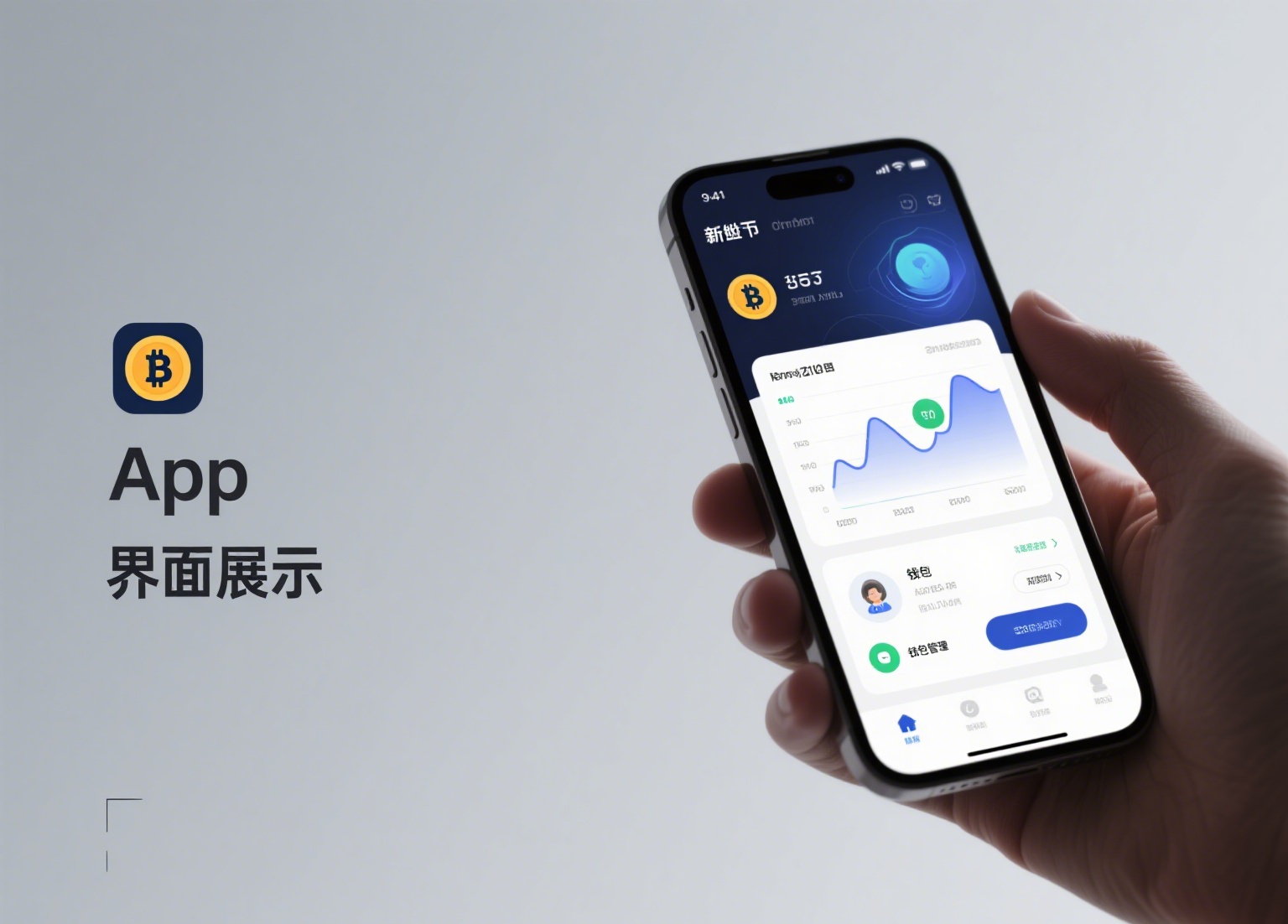
In the rapidly evolving world of digital assets, one name consistently stands at the forefront: Binance. For anyone venturing into cryptocurrency trading, understanding what Binance is and how it operates is a fundamental step. This guide delves into the core of this global exchange platform, exploring its features, services, and the reasons behind its dominant position in the market.
Founded in 2017 by Changpeng Zhao, commonly known as "CZ," Binance quickly rose from a newcomer to the industry titan it is today. The name "Binance" itself is a portmanteau of "binary" and "finance," signifying the fusion of digital technology with the financial world. Its primary offering is a centralized cryptocurrency exchange that allows users to buy, sell, and trade a vast array of digital currencies, from major ones like Bitcoin (BTC) and Ethereum (ETH) to hundreds of alternative coins. The platform is renowned for its high liquidity, which ensures users can execute large orders with minimal impact on the market price, and its impressively low trading fees, which have been a key driver of its popularity.
Beyond the basic spot trading platform, Binance has expanded into a comprehensive ecosystem. This includes Binance Futures for derivatives and leverage trading, Binance Earn for staking and savings products, and its own blockchain network, Binance Smart Chain (now BNB Chain), which hosts a multitude of decentralized applications and tokens. The exchange also issues its native utility token, BNB, originally created as a means to pay for trading fees at a discount. BNB has since grown into a major cryptocurrency with multiple use cases across the Binance ecosystem and beyond.
For new users, navigating Binance can seem daunting due to its plethora of features. The platform offers two main interfaces: the simplified "Lite" mode for beginners and the advanced "Professional" trading view complete with sophisticated charting tools and order types. Security is a paramount concern, and Binance employs robust measures such as two-factor authentication (2FA), withdrawal whitelists, and a Secure Asset Fund for Users (SAFU) – an emergency insurance fund. However, as a centralized entity, it has faced regulatory scrutiny in several countries, prompting the launch of regional platforms like Binance.US to comply with local laws.
In conclusion, Binance is much more than just a cryptocurrency exchange; it is a sprawling gateway to the entire digital economy. Its combination of a wide selection of assets, competitive fees, and continuous innovation has cemented its role as a critical infrastructure provider in the crypto space. Whether you are a novice investor making your first purchase or an experienced trader utilizing complex financial instruments, Binance provides the tools and liquidity necessary to participate in the dynamic world of cryptocurrencies. As the industry matures, Binance's ability to adapt to regulatory landscapes while maintaining its user-centric services will be crucial to its sustained leadership.

发表评论